Table of contents (10 sections)
Short answer: white label puts your name on a generic, non-exclusive product that other sellers can also list, so you launch fast but compete on marketing and price. Private label gives you a branded, exclusive run with your logo on the product and packaging, and at T-Star it starts at a 50-piece custom-logo minimum, which makes it accessible far earlier than most buyers assume. For brand owners and Amazon sellers planning to scale, private label is usually the better long-term choice.
If you sell on Amazon, run a distribution business, or are building a consumer accessories brand, you have almost certainly heard "private label" and "white label" used interchangeably. They are not the same thing, and the difference directly shapes your branding, your exclusivity, your minimum order quantity, and how much you control the product your customers receive. The rest of this guide breaks down both models from a sourcing buyer's perspective and shows you how to choose the path that fits your brand and your order volume.
Quick Definitions: What Each Term Actually Means
The two models sit on a spectrum of how much the product is "yours" versus shared.
White Label
A white-label product is a finished, generic product that a manufacturer produces and offers to multiple resellers. You take the same base product, add your own brand name and pricing, and sell it. The key point: the underlying product is non-exclusive. Other sellers can list the identical unit under their own names.
White label is fast to launch because the product already exists. You are essentially renting a proven design and putting your label on top. The trade-off is that you do not own the look, and you have limited room to differentiate beyond your packaging and marketing.
Private Label
A private-label product is manufactured for your brand, with your branding applied to the product itself, your packaging, and often customization tailored to your specifications. With private label, you are not just slapping a sticker on a generic unit. You are commissioning a run that carries your identity from the product surface to the box on the shelf.
This is where exclusivity and brand equity come from. A private-label program gives buyers a product line that looks and feels like theirs, which is what serious brand owners and Amazon sellers ultimately want when they plan to scale.
Side-by-Side: How They Compare for Wireless Car Chargers
- Branding: white label puts your name on a generic product; private label puts your brand on both the product and the packaging.
- Exclusivity: white label shares one design across multiple sellers; private label is a custom, brand-specific run.
- Customization: white label is minimal (label and box); private label adds logo, packaging, and spec options.
- Speed to launch: white label is fast; private label is slightly longer with more setup.
- Best for: white label suits testing a market quickly; private label suits building a defensible brand.
Both models can use the same reliable hardware underneath. At T-Star, the baseline compliance on our wireless car chargers is CE, FCC, and RoHS, and exact certifications vary by model. If your market or listing needs the latest Qi standard, we have Qi2-capable options, while other models carry CE/FCC/RoHS or Qi. We will confirm the certification set for the specific SKU you choose, regardless of which branding route you take. For a deeper look at how these marks work and what importers need, see our guide to FCC, CE, and RoHS certification when importing car chargers. The difference between the two models is not the certs underneath; it is how much of the product becomes uniquely yours.
Which One Fits Your Business?
Choose White Label If...
- You are validating a new market or sales channel and want to move quickly.
- Your priority is getting listings live and testing demand before committing to a larger investment.
- You are comfortable competing primarily on marketing, price, and customer experience rather than on a unique product identity.
White label is a practical starting point for newer sellers and dropshippers who need to learn what sells before they invest in a branded program.
Choose Private Label If...
- You are building a brand you intend to grow and defend over time.
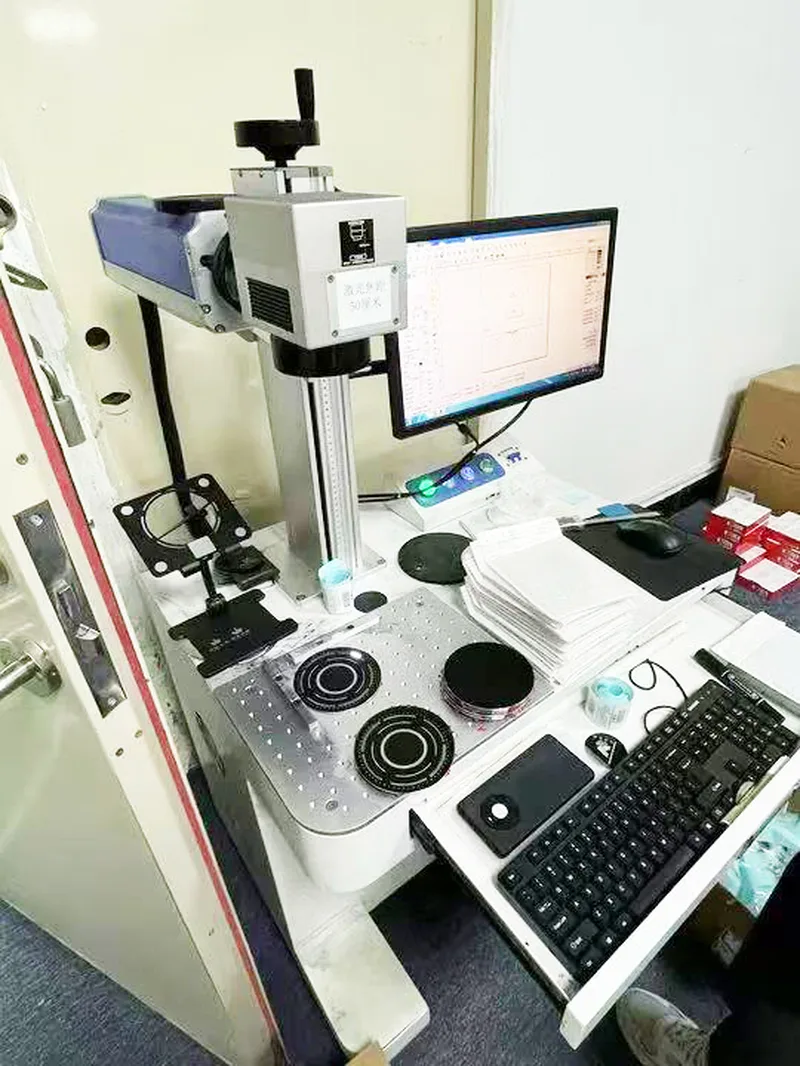
- You want your logo on the charger and on retail-ready packaging so customers associate the product with you, not a generic supplier.
- You are an Amazon seller who wants to register a brand, control your listing, and reduce the risk of identical competing units.
- You plan to reorder and scale, so the upfront branding setup pays off across multiple production runs.
For most brand owners and ambitious Amazon sellers, private label is the destination. The good news is that the entry point is lower than many buyers assume.
The MOQ Question: Why It Decides More Than You Think
The single biggest reason buyers default to white label is fear of minimum order quantities. Many sourcing buyers assume custom branding requires thousands of units, which puts private label out of reach for a first run.
That is not the case with T-Star. Our custom-logo and OEM private-label program starts at a 50-piece minimum. That low custom MOQ means you can launch a genuinely branded wireless car charger line, with your logo on the product, without locking up capital in a massive inventory commitment. For straightforward wholesale of our standard, unbranded units, the minimum is just 2 pieces, so you can sample and test before scaling into a branded run. Our low-MOQ wireless car charger sourcing guide walks through how to plan a first order at this volume.
This changes the calculation. If you can get true private-label branding at 50 units, the case for settling for a generic white-label product becomes much weaker. You get the exclusivity and brand equity of private label at a volume that is realistic for a brand still finding its footing.
How to Move Forward With Confidence
Once you have chosen a direction, a few practical steps protect your investment:
- Confirm certifications per model. Make sure the specific unit carries the certifications your market requires. T-Star's baseline is CE, FCC, and RoHS, with Qi2-capable options available; tell us your target market and we will match you to a SKU with the right cert set.
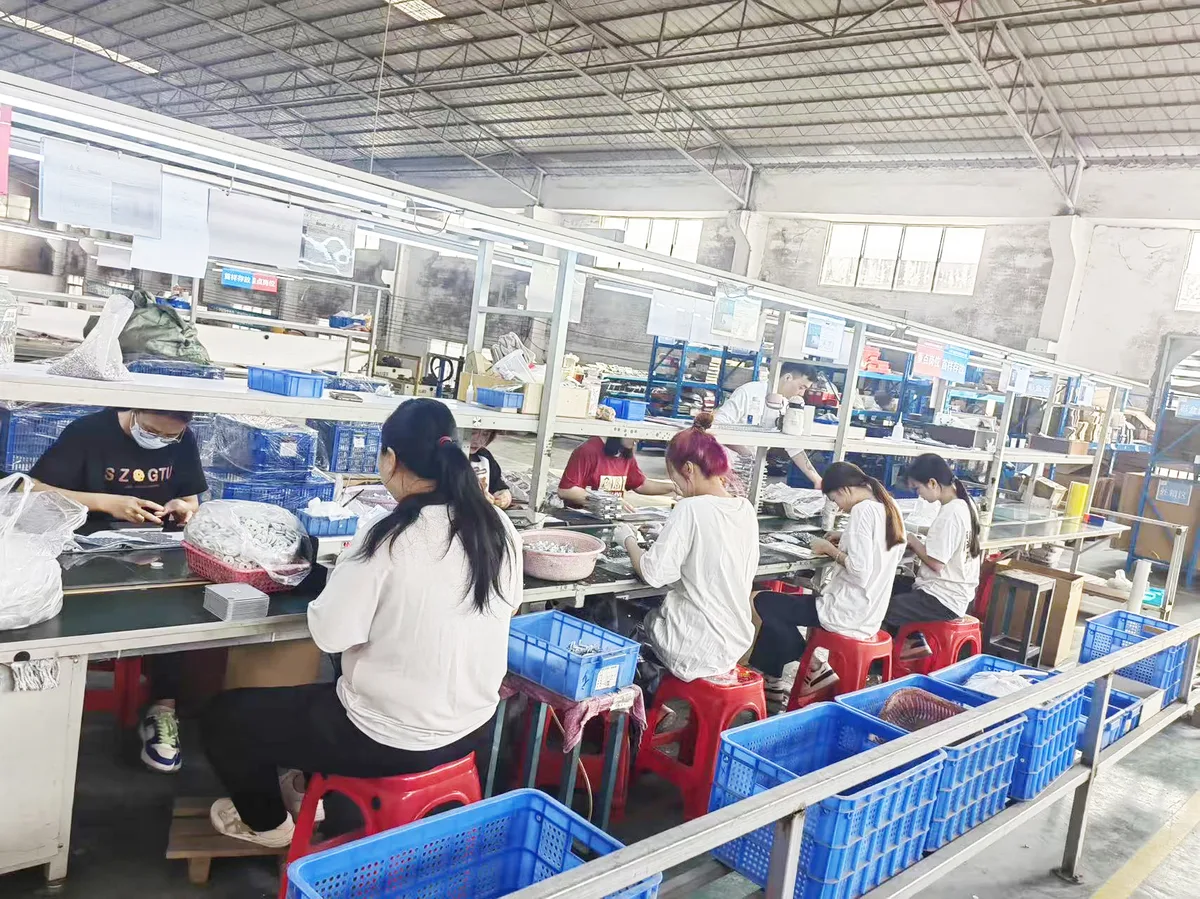
- Request a sample first. Never commit to a branded run without holding the product. We offer free samples for qualified buyers, plus a factory video walkthrough so you can verify quality and inspect the production line remotely before placing an order.
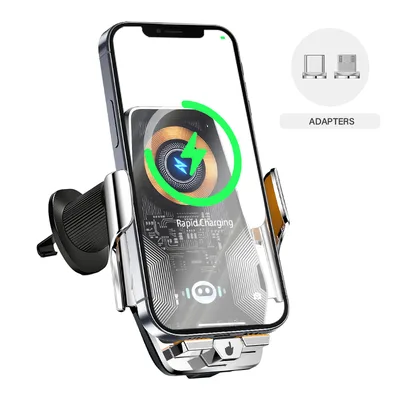
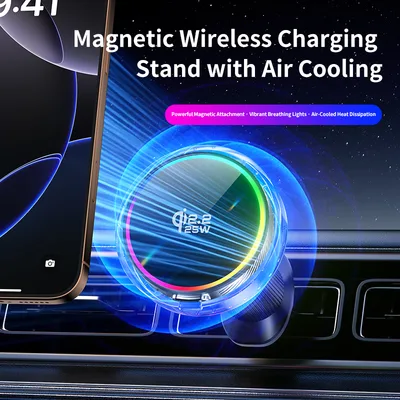
- Match the model to a specific product. A clean, professional unit from our wireless car charger range is a strong private-label candidate because it presents well in branded packaging and suits a wide range of vehicles. If your listing needs to advertise the latest standard, choose a Qi2-capable model as your hero SKU.
- Plan your reorder cadence. With a 50-piece custom minimum, you can branch into a private-label program early and scale your order sizes as your sales data comes in.
For a deeper look at full custom production, our OEM and ODM manufacturing services explain how we take a concept from specification to finished, branded product, while our ODM design service is the right path if you want us to help shape the product itself rather than rebrand an existing design.
The Bottom Line
White label gets you to market fast with a generic product and your name on it. Private label gives you a branded, more defensible product that grows with you, and with a 50-piece custom-logo minimum, it is far more accessible than most buyers expect. For brand owners and Amazon sellers who intend to build something lasting, private label is usually the smarter long-term choice.
If you are ready to put your brand on a low-MOQ wireless car charger, T-Star can help you choose the right path and produce it. Explore our private-label wireless car charger manufacturing program to see how it works, then contact our team for a quote and a free sample. We will send product details, the certifications for your chosen model, pricing, and a factory video so you can move forward with full confidence.